


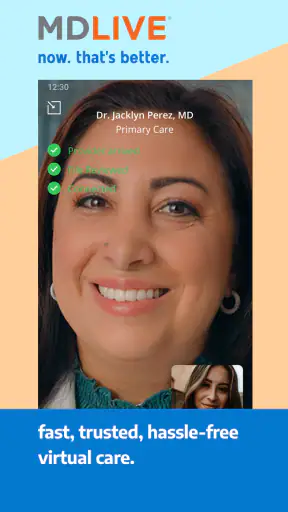
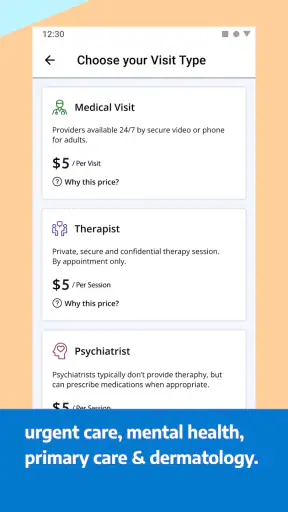
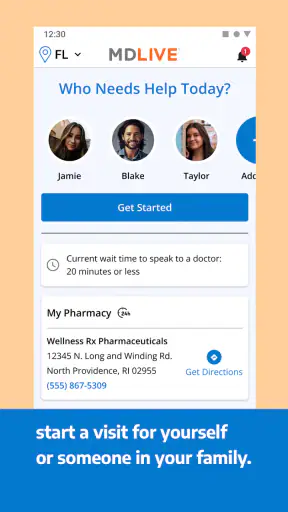
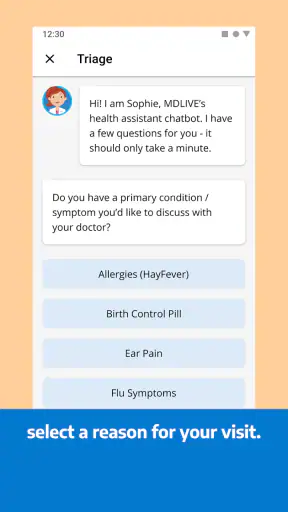
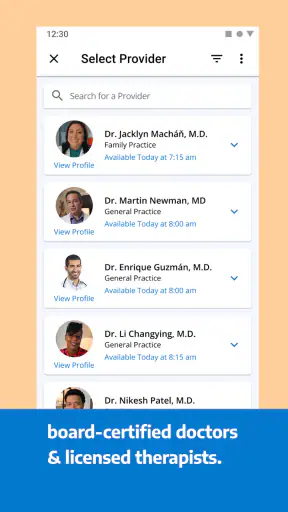
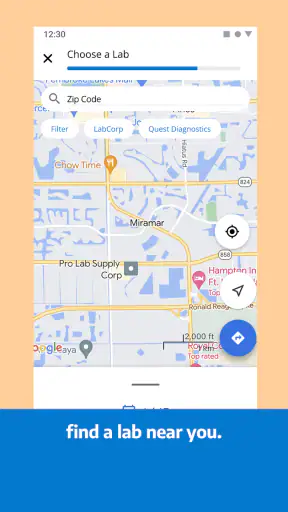
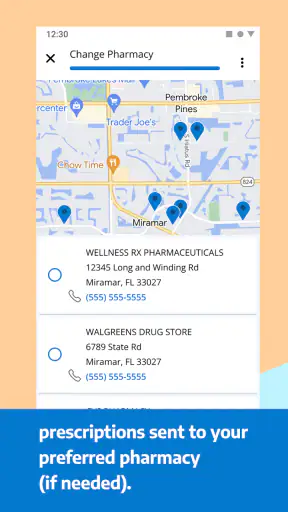
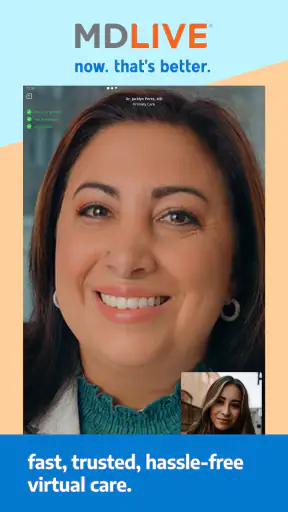
When I need medical guidance but do not feel that a trip to a clinic is worth the time, MDLIVE: Talk to a Doctor 24/7 is the kind of app I consider first. Its main appeal is simple: it puts a route to a doctor on my phone instead of making a routine question depend on travel, waiting rooms, or a free afternoon. That convenience matters most when the problem is uncomfortable, but not obviously an emergency.
I reviewed it as a medical app from MDLIVE Inc, and my overall impression is that it works best as a practical access point rather than a replacement for every part of healthcare. The app is free, rated for Everyone, and has built a sizeable audience, with over one million installs and an average rating of 4.6 from roughly eighteen thousand ratings. Those figures suggest that the idea is useful to many people, but they should not be mistaken for a promise that every consultation will feel equally quick or suitable.
What talking to a doctor through the app really changes
The important capability here is not merely having a medical app on a phone. It is the ability to begin a doctor interaction without first arranging a physical visit. In everyday use, that can remove several small obstacles: finding an open office, getting across town, taking more time away from work, and deciding whether a minor concern deserves a full appointment.
I find that distinction especially helpful for questions that need professional judgment but do not obviously require equipment in a clinic. A doctor can listen to symptoms, ask follow-up questions, discuss what to watch for, and help decide what should happen next. That may mean home care, a regular appointment, or more urgent attention. The value is in getting a qualified conversation started earlier.
The app is most useful when convenience helps you seek advice sooner, not when convenience tempts you to delay necessary care. A phone conversation or remote consultation cannot replace every examination. Some complaints depend on seeing a physical sign clearly, checking vital signs, testing a sample, or assessing a condition in person. I treat MDLIVE as a first step for appropriate concerns, not as permission to diagnose myself from a screen.
The app’s store summary describes connecting with a doctor as fast, easy, and convenient. In my experience, the meaningful part is the reduction in friction. I do not have to turn a straightforward question into a larger scheduling project. For someone caring for children, working irregular hours, traveling, or living far from a convenient clinic, that change can be more important than a long feature list.
The first decision is whether remote care fits the problem
Before opening the app, I would sort the situation into a few practical questions. Is the person stable? Can the symptoms be explained clearly? Would a doctor gain enough information from a conversation? Is there a possibility that an examination or immediate treatment is needed? This short check prevents the most common mistake with telehealth: using a convenient tool for a problem that needs hands-on care.
For a mild, familiar, or non-urgent concern, the app can be a sensible alternative to waiting for a routine appointment. For severe symptoms, rapidly worsening problems, major injury, breathing difficulty, or anything that feels like an emergency, I would skip the app and seek emergency help. The fact that a doctor may be reachable remotely does not make every medical situation appropriate for remote care.
How I would prepare before starting
The quality of a remote consultation depends partly on the information I bring to it. I would write down when the symptoms began, what changed, what makes them better or worse, and any medicines or relevant medical history. If another person is involved, I would have their basic details ready and make sure they can describe the problem in their own words.
This preparation is more than a convenience. In a clinic, a professional may notice physical clues while examining someone. In an app-based visit, the doctor relies much more heavily on the story I provide and the questions we exchange. A short timeline is often more useful than a long, unfocused explanation.
I would also choose a quiet place, use a stable connection, and keep a way to take notes nearby. If the consultation leads to instructions or warning signs to monitor, writing them down avoids relying on memory later. This is one of the less obvious ways to get more value from the app: the technology starts the encounter, but preparation makes the encounter clearer.
How the experience fits into an ordinary day
Imagine waking up with a sore throat, congestion, and a mild fever before an important workday. I might not want to spend hours traveling to a clinic, especially if the symptoms are manageable and I am not in distress. With MDLIVE open on my phone, I can pursue a medical conversation from home and explain the timeline, the symptoms, and anything I have already tried.
The practical benefit is not that the app magically turns a phone into a clinic. It is that I can ask a doctor whether the situation sounds suitable for home care, whether I should arrange an in-person visit, and which changes would make the situation more urgent. That kind of guidance can stop me from either ignoring a problem or overreacting to it.
Another useful scenario is a question that appears outside normal office routines. A parent may notice a child’s symptoms in the evening, or a traveler may become concerned while away from their usual doctor. The app’s focus on doctor access at any time makes it more relevant in those moments than a standard practice portal that mainly handles scheduled appointments and messages.
Still, I would not assume that “24/7” means every issue receives an instant solution. A remote service may still involve waiting, questions, or a recommendation to use another level of care. The honest benefit is access to a medical pathway when a traditional office is inconvenient, not a guarantee of immediate certainty.
What I would expect during a consultation
I would approach the interaction as a focused conversation. I would state the main concern first, then give the timeline and answer questions directly. If the doctor recommends in-person care, I would view that as a useful result rather than a failure of the app. Remote care is doing its job when it helps identify the right next step, even if that step happens somewhere else.
I would also ask for clear instructions before ending the encounter: what improvement should look like, what warning signs matter, and how soon to follow up if things do not improve. This is a particularly valuable habit with telehealth because there is no automatic physical recheck simply because the conversation has ended.
For recurring concerns, I would keep my own notes about what was discussed. That gives me a clearer history if I later visit a primary-care clinician. The app should complement my broader care rather than become the only place where my medical story exists.
Where it differs from usual alternatives
A traditional clinic remains better when a physical examination, testing, treatment on site, or an established long-term relationship is central to the problem. A primary-care office also knows more of my history when I have been seeing the same clinician over time. That continuity can matter for complicated or recurring conditions.
An urgent-care center is often the stronger choice when I need an in-person assessment soon but the situation does not appear life-threatening. An emergency department is the right direction for emergencies, regardless of how convenient an app may be. Compared with those options, MDLIVE’s advantage is ease of access for suitable concerns; its limitation is the boundary between what can be judged remotely and what cannot.
It also differs from searching symptoms online. Search results can offer possibilities, but they do not ask follow-up questions about my specific situation or take responsibility for directing the conversation. MDLIVE is more useful when I want to speak with a doctor rather than browse a list of alarming or contradictory explanations.
Small habits that improve the result
- Lead with the decision you need help making. Instead of describing every detail first, explain whether you are trying to decide between home care, a routine visit, or urgent attention.
- Keep a symptom timeline and medication list ready. This reduces repeated explanations and helps the doctor focus on changes that matter.
- Use the consultation to clarify follow-up instructions, not just to receive an initial opinion. Ask what would change the plan.
- Do not use a reassuring remote conversation to postpone care if symptoms worsen. Convenience is valuable only while the situation remains appropriate for it.
These habits are not flashy features, but they change how useful the service feels. A rushed, vague consultation may leave me uncertain. A prepared, focused one can give me a sensible plan even when the final recommendation is to see someone face to face.
The tradeoffs I would consider before relying on it
The clearest limitation is the lack of a complete physical examination. A doctor can hear what I describe and may be able to see something through a camera when available, but that is not the same as examining the body directly. Symptoms that sound mild can occasionally need testing or hands-on assessment, and a remote conversation cannot remove that uncertainty.
There is also a communication tradeoff. Some people explain symptoms comfortably over a phone or screen; others find it harder to describe pain, location, color, or changes without pointing to them. Children, older adults, and people with language or hearing barriers may need another person to help. I would plan for that rather than assuming the app is equally convenient for every household.
Technical friction is another realistic concern. A consultation depends on the phone, connection, audio, and the user’s ability to complete the process. Even a small problem can feel significant when someone is sick. I would update the app, charge the phone, and choose a reliable connection before I need it. The current version is 6.9.0.0 and supports Android from version 8.0 onward, which makes device compatibility worth checking before an urgent moment.
The app is free to install, but I would not confuse that with every possible medical interaction being cost-free in every circumstance. Healthcare access can depend on the person’s situation and arrangements outside the app. I would review any terms shown during use and avoid making a financial assumption based only on the download price.
Privacy also deserves ordinary caution. A medical conversation is sensitive, so I would use a private room, protect access to my phone, and avoid discussing someone else’s information casually in a public place. The app can make access easier, but it does not remove the need for responsible handling of personal health details.
When I would choose something else
I would choose an established primary-care clinician for a complex condition that needs continuity, a detailed history, or planned monitoring. I would choose urgent care when an examination seems likely to be necessary. I would choose emergency services when the symptoms are severe, sudden, or potentially dangerous. Those choices are not criticisms of MDLIVE; they are the boundaries that make remote care safer.
I would also hesitate to rely on it as the only option for someone who needs ongoing support from several specialists or a carefully coordinated treatment plan. A quick remote consultation may answer one question, but it may not replace the organized follow-up such care requires. In that situation, I would use the app, if appropriate, as an additional access point rather than the center of the entire care plan.
Who gets the most value from MDLIVE
I think the strongest audience is people who can recognize a non-emergency concern but have a practical reason to avoid a clinic visit. Busy adults, caregivers, travelers, people with limited transportation, and anyone facing a long wait for a routine appointment may appreciate the ability to begin with a doctor from a phone.
It can also help people who tend to delay care because arranging an appointment feels disproportionate to the problem. A lower-friction first conversation may make it easier to ask for guidance early. That is a real advantage, especially when the goal is not to obtain a dramatic diagnosis but to understand what deserves attention.
Families may find it useful when an adult can help a child describe symptoms and remain present during the consultation. I would still make sure the person seeking care can communicate clearly and that the situation is suitable for remote assessment. The app’s Everyone age rating describes its general audience, but medical suitability still depends on the individual and the problem.
People who want a fast answer to every health question may be disappointed. Doctors may need more information, may recommend an in-person visit, or may explain that a remote assessment cannot safely settle the issue. That is not the kind of instant certainty some users expect from a phone app.
The service has been available since July 11, 2014, and its current scale shows that remote doctor access is no longer an unusual idea. With around seven thousand nine hundred written reviews and a free download, it is easy to see why the format attracts attention. I would focus less on popularity, though, and more on whether the app matches the kind of decision I need to make.
My final view is favorable but deliberately practical. MDLIVE: Talk to a Doctor 24/7 is a strong choice when I need medical guidance for a suitable, non-emergency concern and want to avoid turning that first step into a full clinic visit. Its central strength is access: I can start a professional conversation from a familiar device and use that conversation to decide what comes next.
Its limits are just as important. It cannot perform every examination, cannot guarantee instant resolution, and should never replace emergency care or necessary in-person treatment. If I use it with those boundaries in mind, prepare my information, and listen carefully to the follow-up advice, it becomes a genuinely useful part of everyday healthcare. For me, that makes it worth keeping available—not as a substitute for a doctor’s office, but as a convenient way to reach one when the situation fits.


